
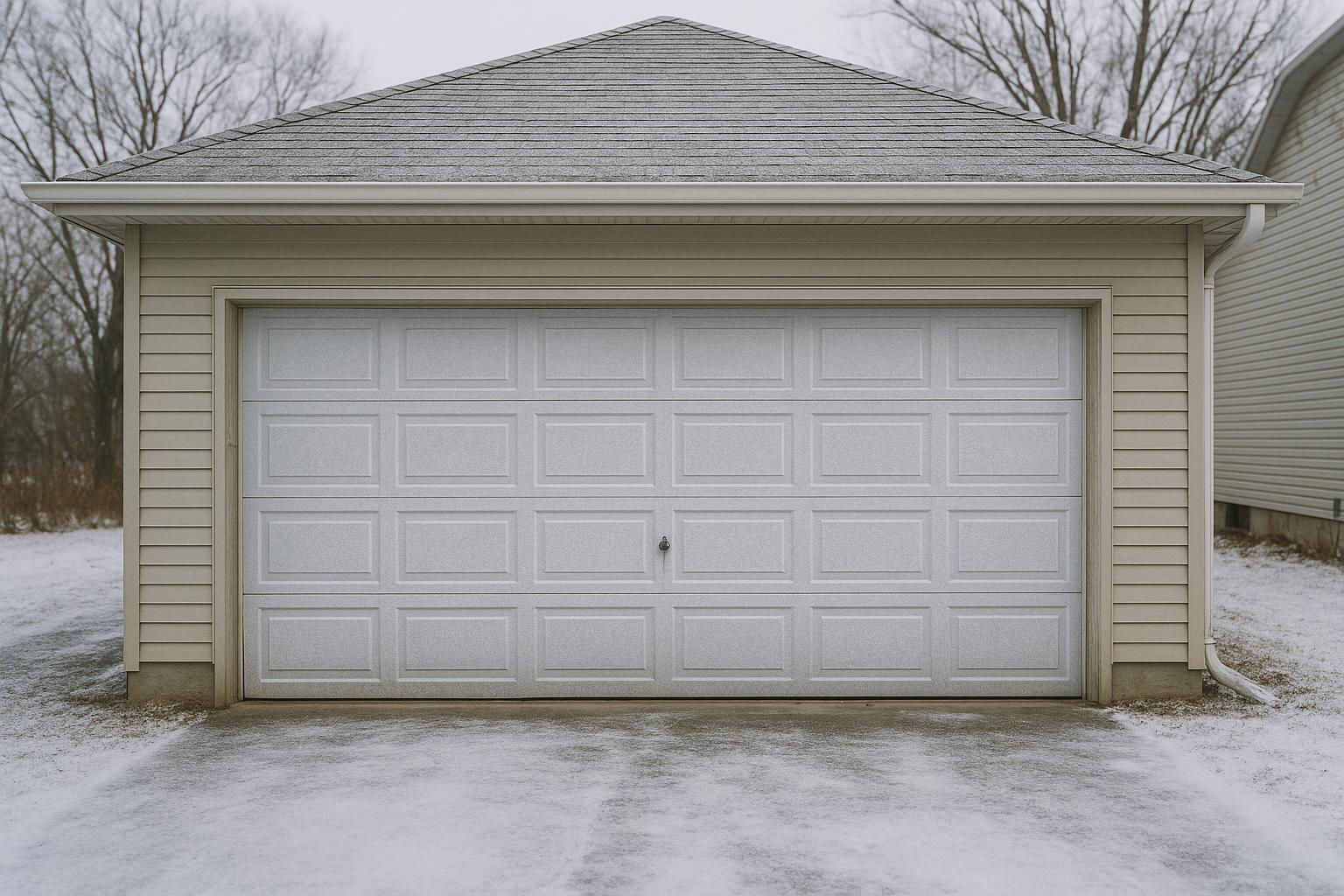
Winter Is Tough on Garage Doors in Toledo
If you've lived in Toledo for any length of time, you know our winters don't mess around. Between freezing rain, heavy snow, and temperatures that plunge well below zero, the cold season puts serious stress on every part of your home — including your garage door.
Most homeowners don't think much about their garage door until something goes wrong. But when it's 10 degrees outside and your door won't open on a Monday morning, it becomes the most important thing in the world. Understanding how cold weather affects your garage door can help you avoid breakdowns and stay ahead of expensive repairs.
Garage Door Springs Become Brittle in the Cold
Your garage door springs do the heavy lifting — literally. They counterbalance the weight of the door so your opener doesn't have to work as hard. But metal contracts in cold temperatures, and that contraction makes springs more brittle and prone to snapping.
A broken spring is one of the most common garage door emergencies we see during Toledo winters. When a spring breaks, your door becomes extremely heavy and may not open at all. Worse, a snapping spring can be dangerous if someone is standing nearby.
What You Can Do
- Have your springs inspected before winter arrives. A technician can check for signs of wear, rust, or fatigue.
- If your springs are more than seven to ten years old, consider proactive replacement before they fail on the coldest day of the year.
- Never attempt to replace garage door springs yourself — they're under extreme tension and require professional tools and training.
Your Garage Door Opener Works Harder in Freezing Temperatures
Cold weather thickens the lubricant inside your garage door opener's motor and drive mechanism. This means the opener has to work harder to move the door, which can lead to premature wear or even motor burnout.
You might notice your door opening more slowly than usual or the opener straining and making unusual noises. In some cases, the opener may stop mid-cycle because the motor overheats from the extra effort.
What You Can Do
- Use a garage-door-specific lubricant rated for cold temperatures. Avoid WD-40, which isn't a true lubricant and can actually attract dirt and grime.
- Apply silicone-based lubricant to the springs, hinges, rollers, and tracks before temperatures drop.
- If your opener is more than 15 years old and struggling, upgrading to a newer model with a more powerful motor can save you from a mid-winter breakdown.
Metal Tracks Can Contract and Misalign
The metal tracks that guide your garage door up and down are also affected by temperature changes. When metal contracts in the cold, tracks can shift slightly out of alignment. Even a small misalignment can cause the door to bind, scrape, or get stuck partway up.
If you hear grinding or scraping sounds when your door operates in winter, track contraction could be the culprit. Forcing the door to continue operating on misaligned tracks can cause further damage to the rollers, cables, and the door panels themselves.
What You Can Do
- Visually inspect your tracks for gaps between the rollers and the rail. The rollers should sit snugly inside the track without excessive play.
- Check that the track brackets are tight and haven't loosened from vibration over time.
- If you notice misalignment, call a professional rather than trying to bend the tracks back into place.
Weatherstripping Cracks and Fails
The rubber weatherstripping along the bottom and sides of your garage door is your first line of defense against cold air, snow, and water. Over time, freezing temperatures cause this rubber to harden, crack, and lose its flexibility. Once the seal is compromised, cold air pours into your garage, and moisture can seep in and freeze on the garage floor.
In the worst cases, water that collects under a worn bottom seal can freeze overnight, essentially gluing your garage door to the floor. Trying to force the door open when it's frozen to the ground can damage the bottom panel, the opener, or both.
What You Can Do
- Inspect your weatherstripping in the fall. Look for cracks, gaps, or sections that have pulled away from the door.
- Replace worn weatherstripping before winter. It's an affordable fix that can save you from bigger problems.
- If your door freezes to the ground, gently chip away the ice or use a heat source like a hair dryer. Never force the door open with the opener.
Condensation and Moisture Lead to Rust
Temperature swings between day and night — common during Toledo's late fall and early spring — create condensation on metal garage door components. Over time, this moisture leads to rust on springs, hinges, tracks, and even the door panels if you have a steel door.
Rust weakens metal components and accelerates wear. Rusty springs are significantly more likely to break, and rusty tracks create friction that strains your opener.
What You Can Do
- Wipe down metal components periodically and apply a light coat of lubricant to prevent moisture from settling.
- If you notice rust forming on your springs or hardware, schedule a maintenance visit so a technician can assess whether the parts need replacement.
- Consider improving ventilation in your garage to reduce condensation buildup.
A Pre-Winter Maintenance Checklist for Toledo Homeowners
The best way to avoid a cold-weather garage door emergency is to prepare before winter hits. Here's a quick checklist to help homeowners in Toledo, Sylvania, Maumee, Perrysburg, and the surrounding areas get their garage doors winter-ready:
- Lubricate all moving parts with a cold-rated, silicone-based garage door lubricant.
- Inspect and replace weatherstripping along the bottom and sides of the door.
- Test the balance of your door by disconnecting the opener and manually lifting the door halfway. It should stay in place. If it doesn't, your springs may need adjustment.
- Check the tracks for alignment, debris, and tightness of mounting brackets.
- Test the auto-reverse safety features on your opener to make sure they're functioning properly.
- Schedule a professional tune-up to catch problems you might miss on your own.
Don't Wait for a Breakdown
A garage door that fails in the middle of a Toledo winter isn't just inconvenient — it's a security risk and can leave your home exposed to the elements. Taking a little time to prepare in the fall can save you from emergency repair calls when temperatures are at their worst.
At Toledo Garage Door, we help homeowners across Toledo and the surrounding communities keep their garage doors running reliably all winter long. Whether you need a tune-up, spring replacement, or a full door upgrade, our team shows up on time and gets the job done right. Give us a call before the cold sets in — your future self will thank you.